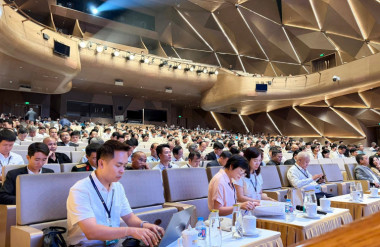
On 2 July, the 30th General Assembly of the International Union of Architects (UIA) officially opened in Barcelona, Spain, marking the beginning of four days of deliberations from 2 – 5 July 2026. The Assembly will review the achievements of the 2023 – 2026 term, define the UIA’s strategic direction for the next three years, and elect the organization’s leadership for the 2026 – 2029 term. The Vietnam Association of Architects (VAA) is represented by a two-member delegation led by Dr. Arch. Phan Dang Son, President of the Vietnam Association of Architects.

This year’s Assembly takes place at a time when the global architectural profession is facing unprecedented challenges arising from climate change, digital transformation, artificial intelligence, and the urgent need for sustainable urban development. As the world’s only non-governmental organization representing the architectural profession internationally, the UIA currently brings together more than 126 member sections worldwide. The 30th General Assembly provides an opportunity for member organizations to reflect on a transformative three-year term and to establish a shared vision for the future of architecture.
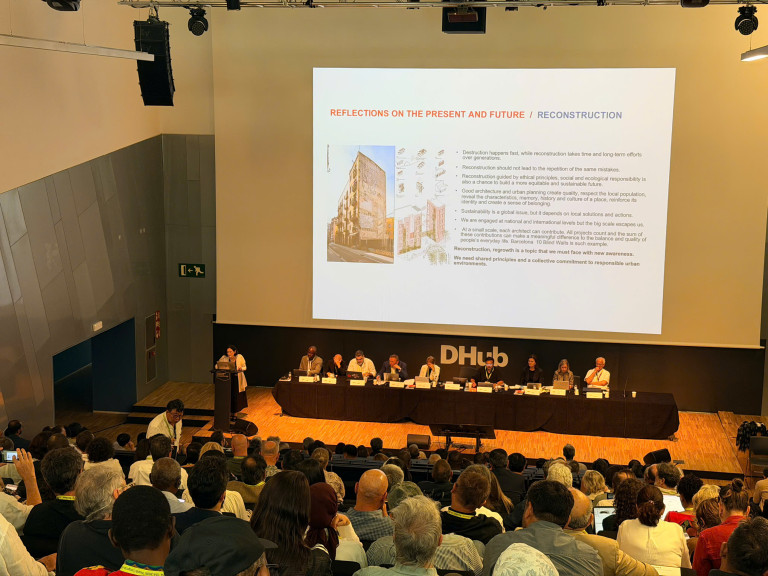
UIA’s transformative term responding to global challenges
The opening session not only reviewed the work of the UIA leadership during the 2023 – 2026 term but also outlined the major issues confronting architects around the world. From climate change, rapid urbanization, armed conflicts, and natural disasters to digital transformation and artificial intelligence, the reports consistently emphasized that the role of architects is expanding beyond the design of buildings to encompass broader responsibilities in addressing society’s most pressing development challenges.
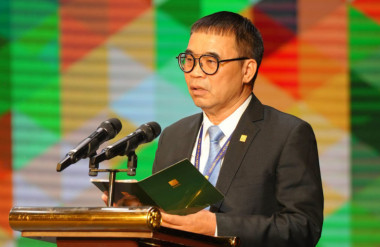
Addressing the Assembly, Regina Gonthier, UIA President for the 2023 – 2026 term, reaffirmed that architecture must continue to play a leading role in shaping high-quality cities, preserving cultural identity, and enhancing the quality of life for communities. She stressed that while AI and emerging technologies can support the design process, they cannot replace architects’ creativity, critical thinking, or social responsibility. “Technology should serve humanity, not control it,” she noted, calling on the international architectural community to uphold the profession’s humanistic values and ethical principles.
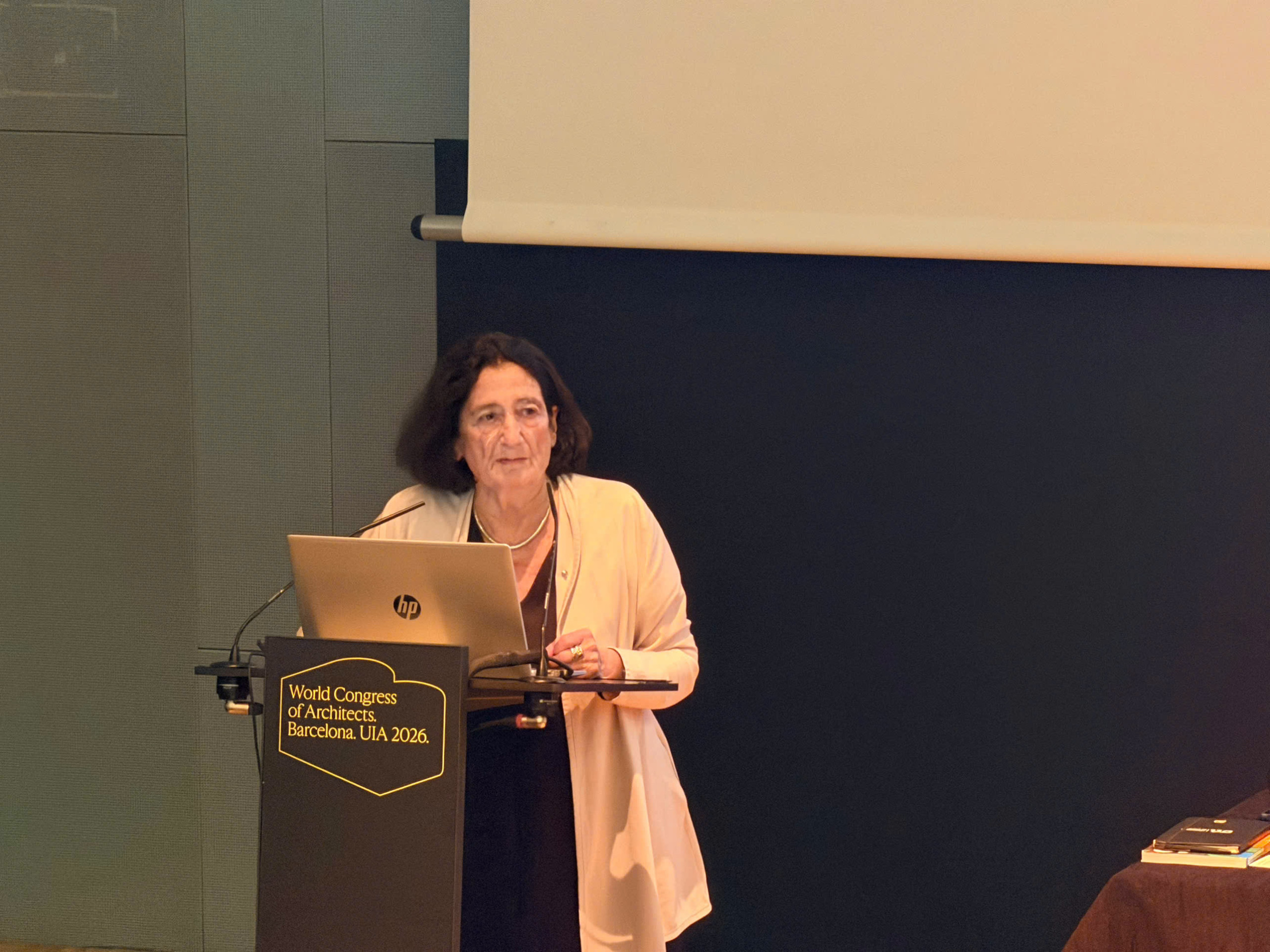
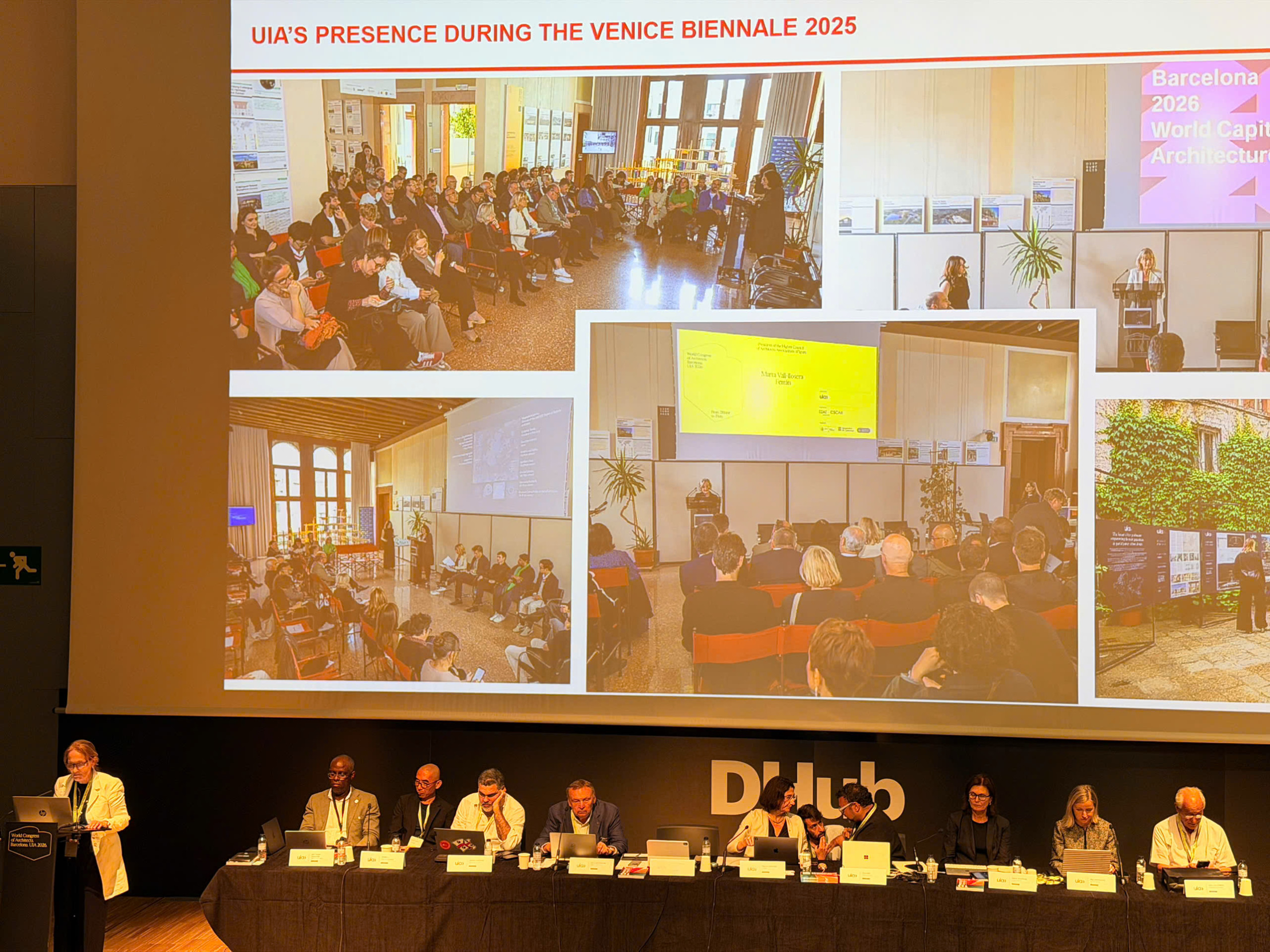
During the past term, the UIA significantly expanded its partnerships with international organizations, including UNESCO, UN-Habitat, WHO, UN Tourism, OECD, and UNEP. The Union also strengthened its presence at major global platforms such as the World Urban Forum, COP30, the Venice Architecture Biennale, and various United Nations initiatives. In addition, the UIA established new work programmes focusing on Sustainable Tourism, Disasters and Catastrophes, and Informal Settlements, reaffirming its commitment to positioning architecture as a key contributor to addressing global development issues.
Reports presented by the Strategy and Vision Committee, Finance Committee, and Events Committee demonstrated that the UIA is undergoing a comprehensive institutional reform aimed at improving transparency and professional governance. Key proposals prepared for approval by the Assembly include amendments to the UIA Constitution and Regulations, modernization of financial governance, professionalization of the Secretariat, reforms to the organization of international events, and the development of a long-term strategic framework for the Union.
Another major achievement of the current term has been the UIA’s growing emphasis on engaging the next generation of architects. The organization has launched international competitions, conducted global surveys, established mentoring initiatives, and is developing both the Young Architects Programme and the Young Architects Network to encourage greater participation by emerging professionals in both professional practice and the governance of the UIA.
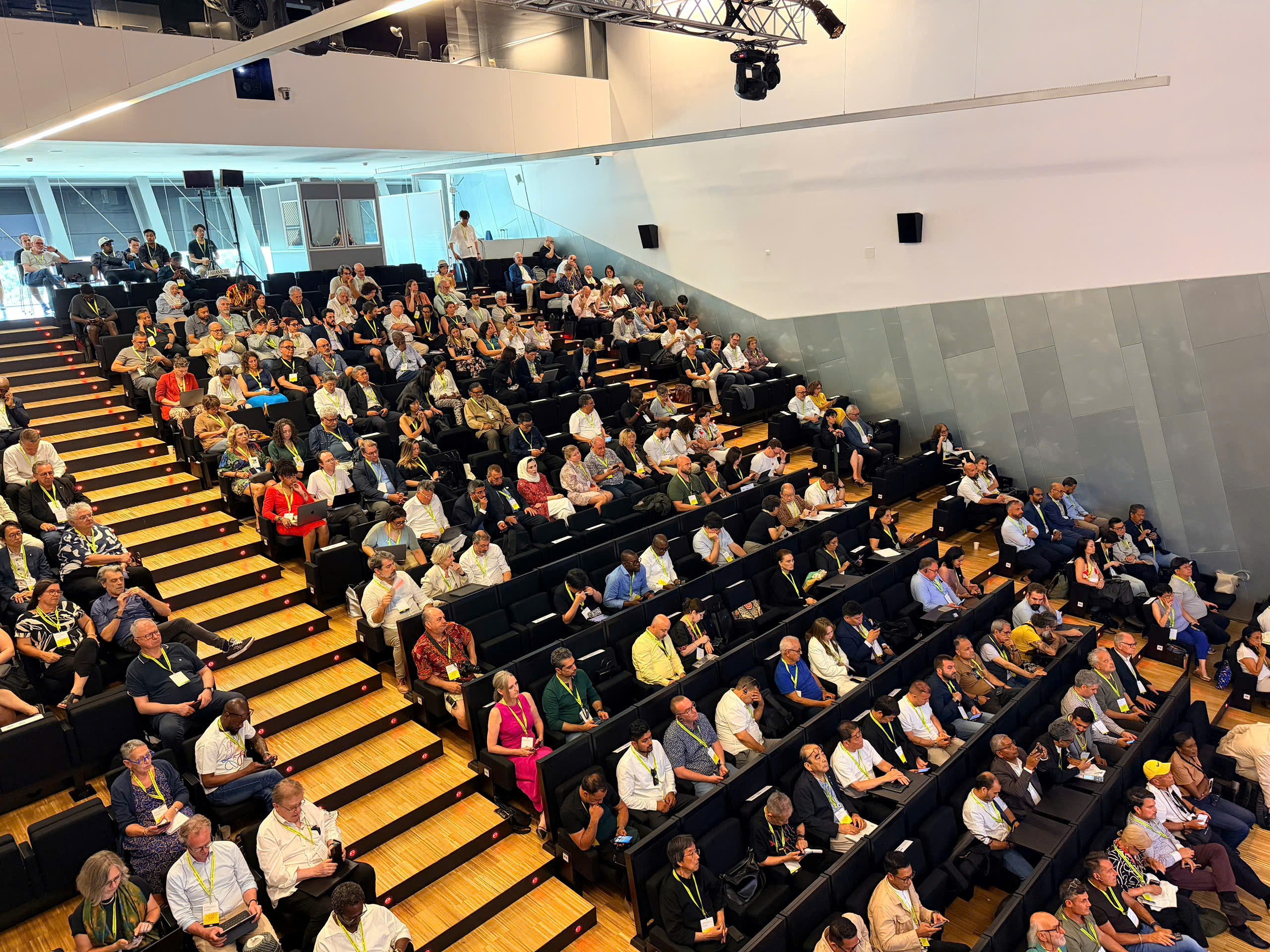
An overview of activities across the UIA’s five regions
During the opening session, delegates also heard reports from the five UIA Regional Vice Presidents, highlighting the principal trends and challenges facing architecture across different regions of the world.
For Region I (Western Europe), the past term saw an expansion of the UIA’s role in international forums through cooperation with the World Health Organization, participation in COP30, involvement in the Venice Architecture Biennale, and implementation of the UNESCO – UIA World Capital of Architecture Barcelona 2026 programme. The Sustainable Tourism initiative was also advanced as a new framework linking architecture with public health, climate resilience, and sustainable development.
In Region II (Eastern Europe and the Middle East), member organizations have faced considerable challenges arising from geopolitical conflicts, natural disasters, and financial constraints. In response, the regional leadership focused on maintaining professional networks, supporting member sections, strengthening regional cooperation, and ensuring continued participation in UIA activities despite difficult circumstances.
Region III (The Americas) reported a broad range of initiatives promoting UIA Barcelona 2026, enhancing collaboration with the Pan American Federation of Architects Associations (FPAA), encouraging greater participation of member organizations in international networks, and supporting academic programmes, exhibitions, and architecture biennales across the region.
For Region IV (Asia and Oceania) – to which the Vietnam Association of Architects belongs – the report described the region as one of the most dynamic within the UIA. Vice President Zhang Li highlighted a continuous programme of activities, including the UIA Forum Kuala Lumpur 2024, Council meetings in Seoul, various ARCASIA events, and preparations for the UIA Forum Mumbai 2027 and the UIA World Congress Beijing 2029. Numerous academic and professional initiatives held in China, Japan, South Korea, Pakistan, Hong Kong, and other countries further demonstrated the increasingly prominent role of the Asia-Pacific region within the international architectural community.
Meanwhile, Region V (Africa) reported unique challenges associated with rapid urbanization, a growing young population, the expansion of informal settlements, and the impacts of climate change. Nevertheless, the region also recorded encouraging progress through strengthened cooperation with the African Union of Architects (AUA), expansion of its membership network, and new professional development programmes supporting architects across the continent.
The Vietnam Association of Architects strengthens international integration and global partnerships
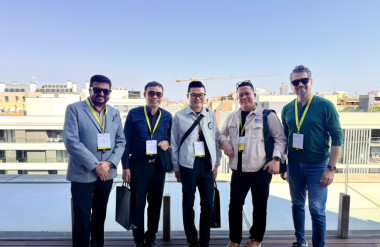
On the sidelines of the Assembly, Dr. Arch. Phan Dang Son, President of the Vietnam Association of Architects and head of the Vietnamese delegation, together with M.Arch. Nguyen Anh Duong, Member of the VAA International Relations Committee and Head of Communications of Architecture Magazine, held a series of meetings with leaders and delegates of ARCASIA as well as representatives of several UIA member organizations. The discussions focused on professional cooperation, sharing information about the activities of the Vietnam Association of Architects, and strengthening connections among architectural organizations throughout the region.

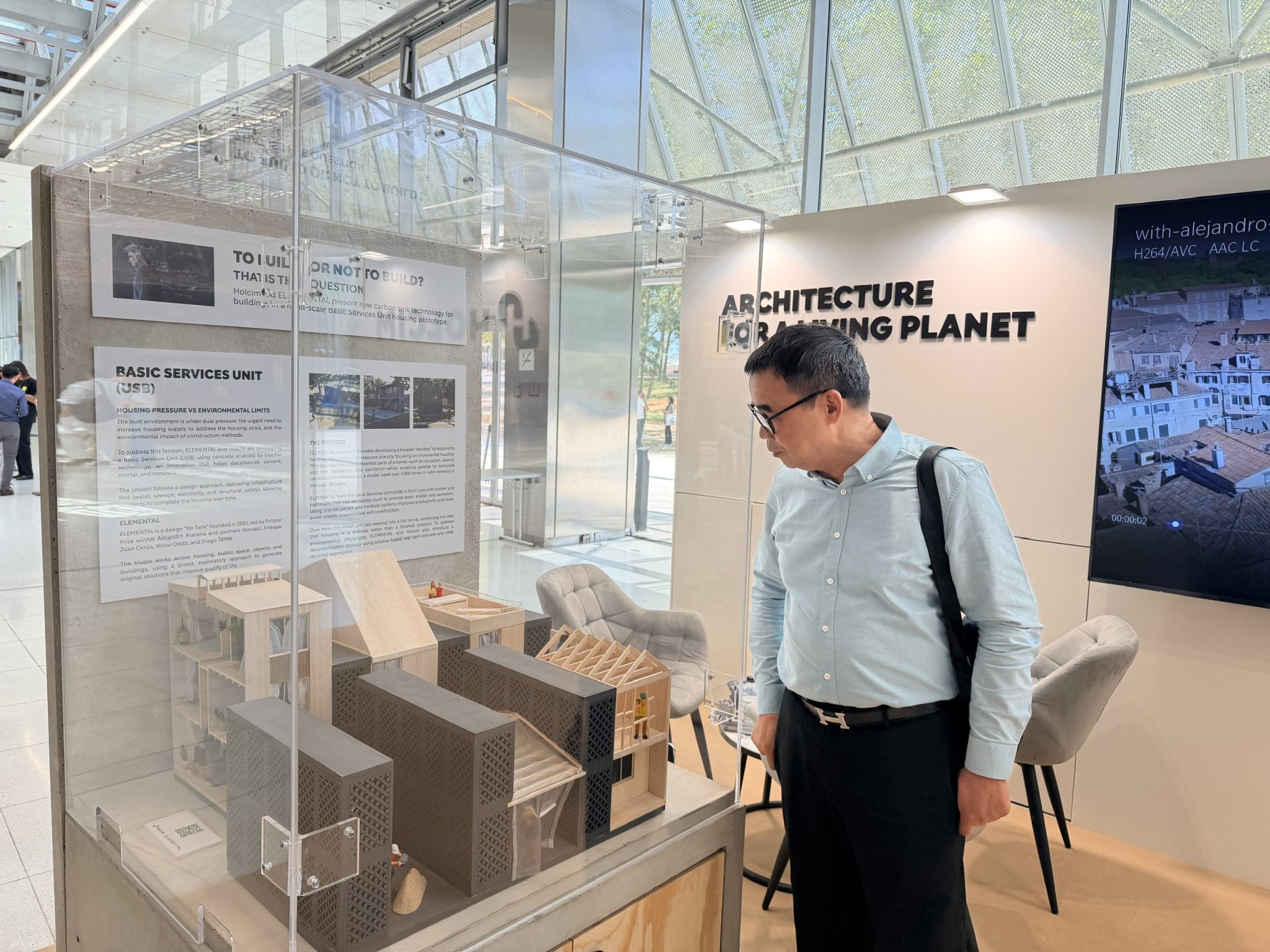
Prior to attending the General Assembly, the Vietnamese delegates also participated in the UIA World Congress of Architects 2026, held under the theme “Becoming. Architectures for a Planet in Transition.” During the Congress, they attended plenary sessions, thematic seminars, and academic forums addressing ecological transition, sustainable urban development, artificial intelligence, architectural education, and the future of professional practice. These activities enabled the delegation to gain valuable insights into emerging global trends while expanding professional exchanges with international organizations and colleagues. Their participation further demonstrated the Vietnam Association of Architects’ proactive engagement in international professional forums, contributing to greater global integration, academic exchange, and the growing international profile of Vietnamese architecture.


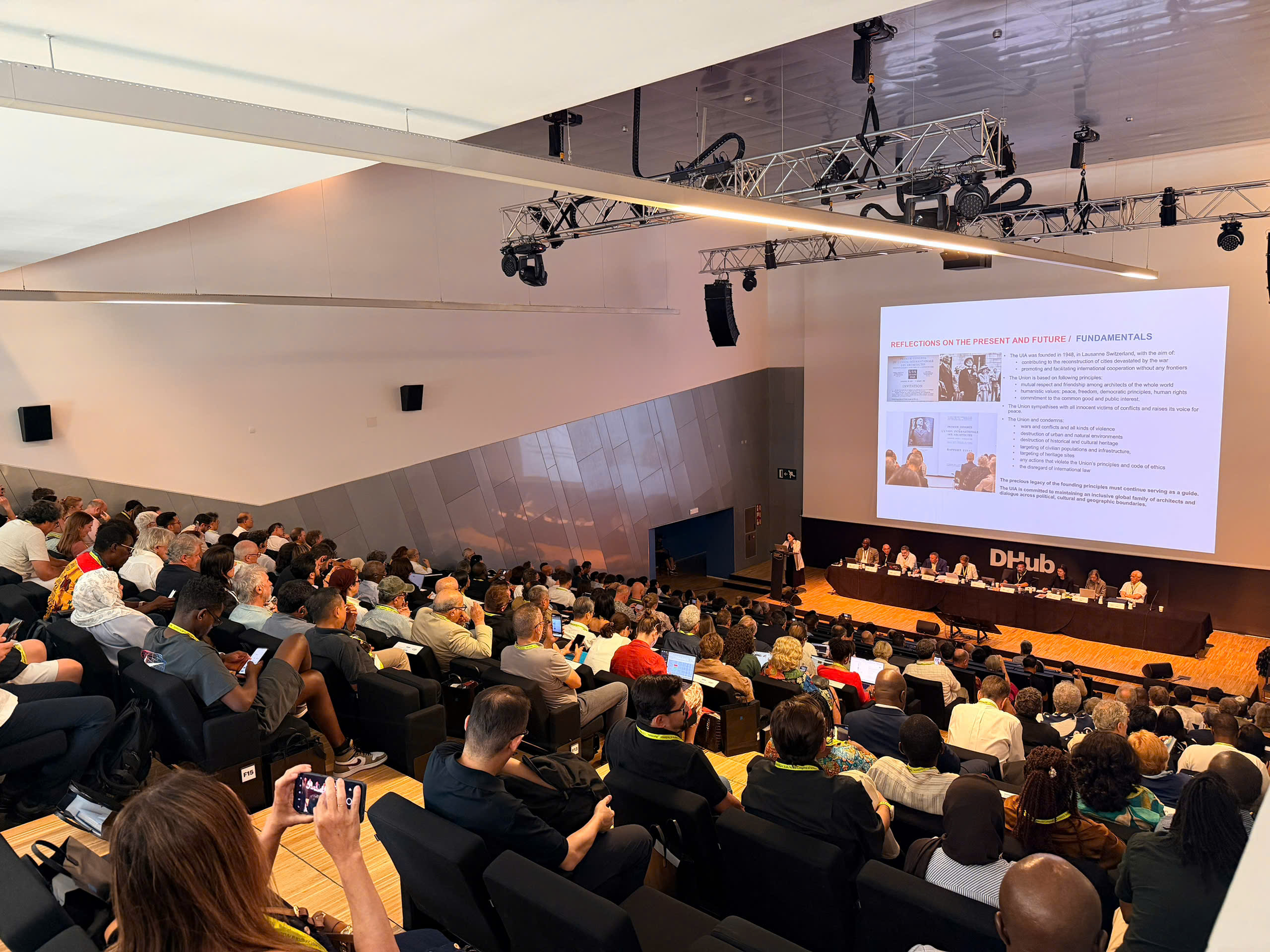
In the coming days, the UIA General Assembly will continue reviewing the Union’s financial report, debating and voting on amendments to the UIA Constitution and Regulations, and electing the President, Secretary General, Treasurer, Vice Presidents, and UIA Council for the 2026 – 2029 term. Beyond marking a leadership transition, the 30th General Assembly signals the beginning of a new chapter for the architectural profession as it responds to increasingly complex environmental, technological, and urban challenges. The decisions adopted in Barcelona are expected to help shape the future role of the global architectural community in creating a more sustainable and inclusive world.
M.Arch. Nguyen Anh Duong
© Architecture Magazine