Hoi An’s heritage cannot exist solely in the historic houses and streets shaped by the past. To keep its heritage alive within a sustainable urban environment, Hoi An needs new creative drivers and spaces where communities can meet, work together and experiment-bringing traditional cultural values into today’s innovative development ideas.
Bringing Heritage into the Future
In August 2026, the Hoi An World Cultural Heritage Conservation Centre, in collaboration with UN-Habitat Vietnam, organized the “Hoi An Creative Space Design Competition.” The competition invited ideas for a public space at Song Hoai Square, envisioned as a place where young people, local communities and visitors could gather, interact and collaborate to generate new ideas. The American Institute of Architects Southeast Asia provided professional support throughout the competition, from advising on the brief and conducting design briefings to evaluating entries and selecting the winning proposals.
The competition emerged from a shared concern among local authorities, development organizations and people who care about Hoi An: the city has successfully preserved its World Cultural Heritage, but how can it carry that heritage into the future?
In October 2023, when Hoi An joined the UNESCO Creative Cities Network with a focus on developing a creative economy rooted in handicrafts and folk arts, it adopted a broader vision of heritage as part of an interconnected ecosystem in which culture, creativity, livelihoods and urban development reinforce one another. Hoi An’s spaces, therefore, should not be limited to streets that preserve traditional architecture. They should also become new hubs of knowledge and ideas, breathing fresh life into a sustainable city.
Against this backdrop, a public creative space has become an increasingly important need: a place where artisans can pass on their skills, young people can experiment with ideas, designers can collaborate, communities can come together, and traditional cultural values can be carried forward through contemporary forms.
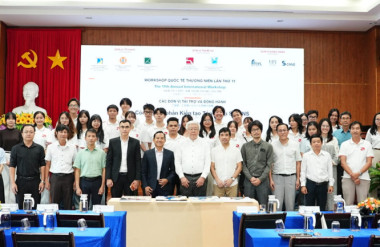
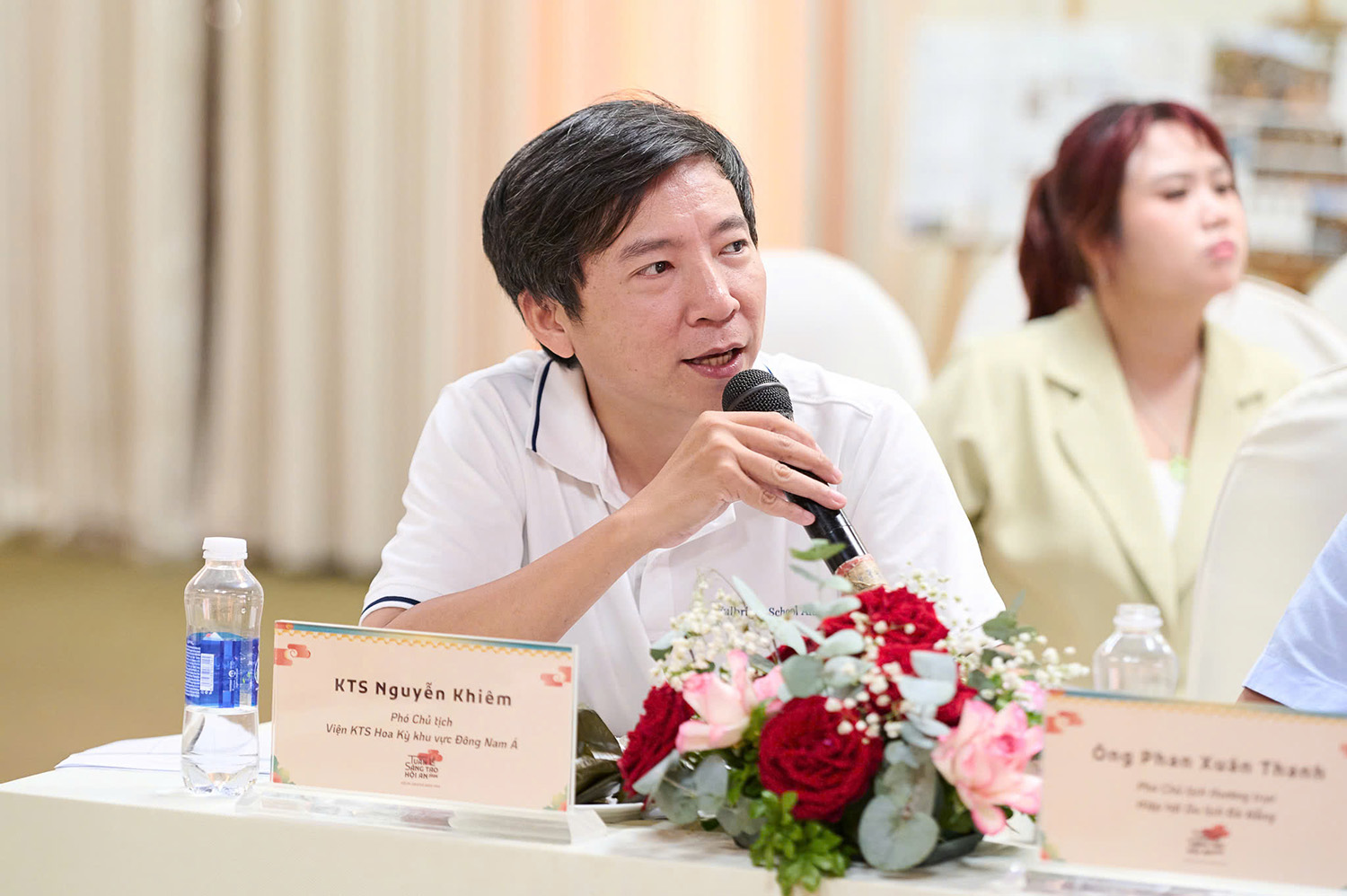
At the competition’s first design briefing, held in Hoi An on August 7, Master Architect Nguyen Khiem, Vice President of the American Institute of Architects Southeast Asia and Vice Chair of the professional jury, emphasized that the competition was not simply about finding technically sound design proposals. Going beyond the scope of a conventional architecture competition, it sought ideas from both professionals and the wider community in response to a central question: What kind of space does Hoi An need for its heritage to help shape contemporary ideas?
At a subsequent briefing in Ho Chi Minh City on August 15, the professional panel expanded the dialogue with the creative community around an original concept: a space that embodies the spirit of Hoi An while serving as a place to stop, access information, connect with others, host community events, and showcase products and traditional crafts by local artisans and artists.
Proposals were encouraged to adopt a modular approach and use lightweight, locally sourced materials. The organizers emphasized that the competition was not simply seeking visually appealing structures, but also prioritized adaptability, community connections and the long-term vitality of the space.
Accordingly, the competition welcomed entries in two categories. Category A, Professional Concepts, was open to architects, designers, architecture and fine arts students, and professional creative teams. Category B, Community Concepts, was open to Hoi An residents, young people, traditional craft artisans, students and anyone with an interest in the city.
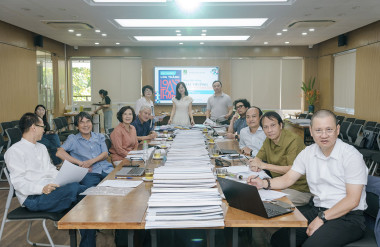
Of the 62 teams that registered, 36 submitted entries. Seven proposals from Category A and seven from Category B advanced to the final round, where they presented their ideas to the jury. Comprising experts in heritage conservation, architecture, urban planning, tourism, education and creativity, the jury assessed the entries from multiple perspectives-not only architectural quality, but also community engagement, local identity, feasibility, operational viability and the potential for long-term development of the creative space.
Architecture as a Foundation for Creativity
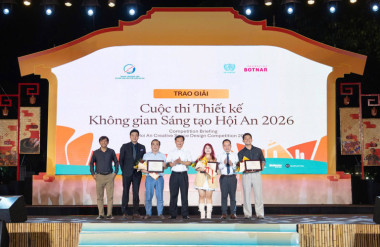
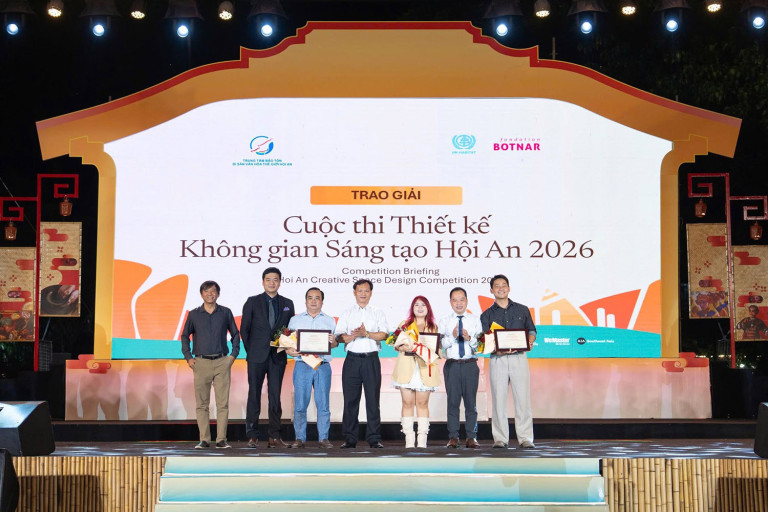
The results were announced at the closing ceremony of Hoi An Creative Week 2026.
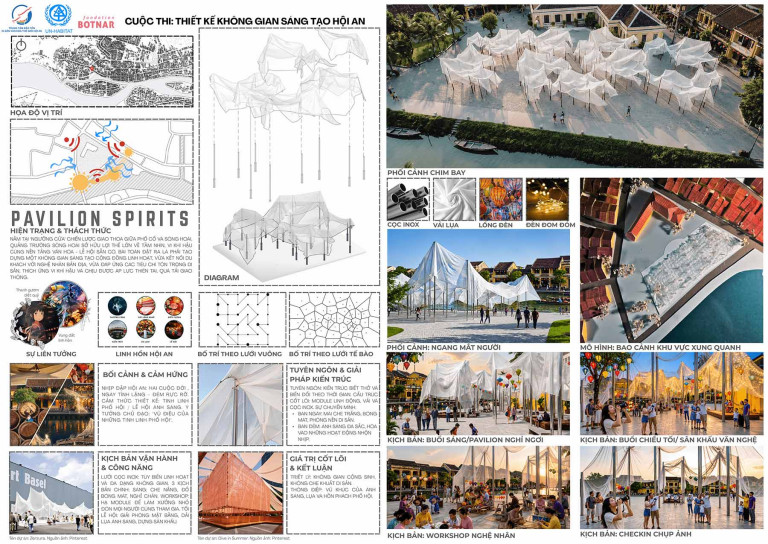
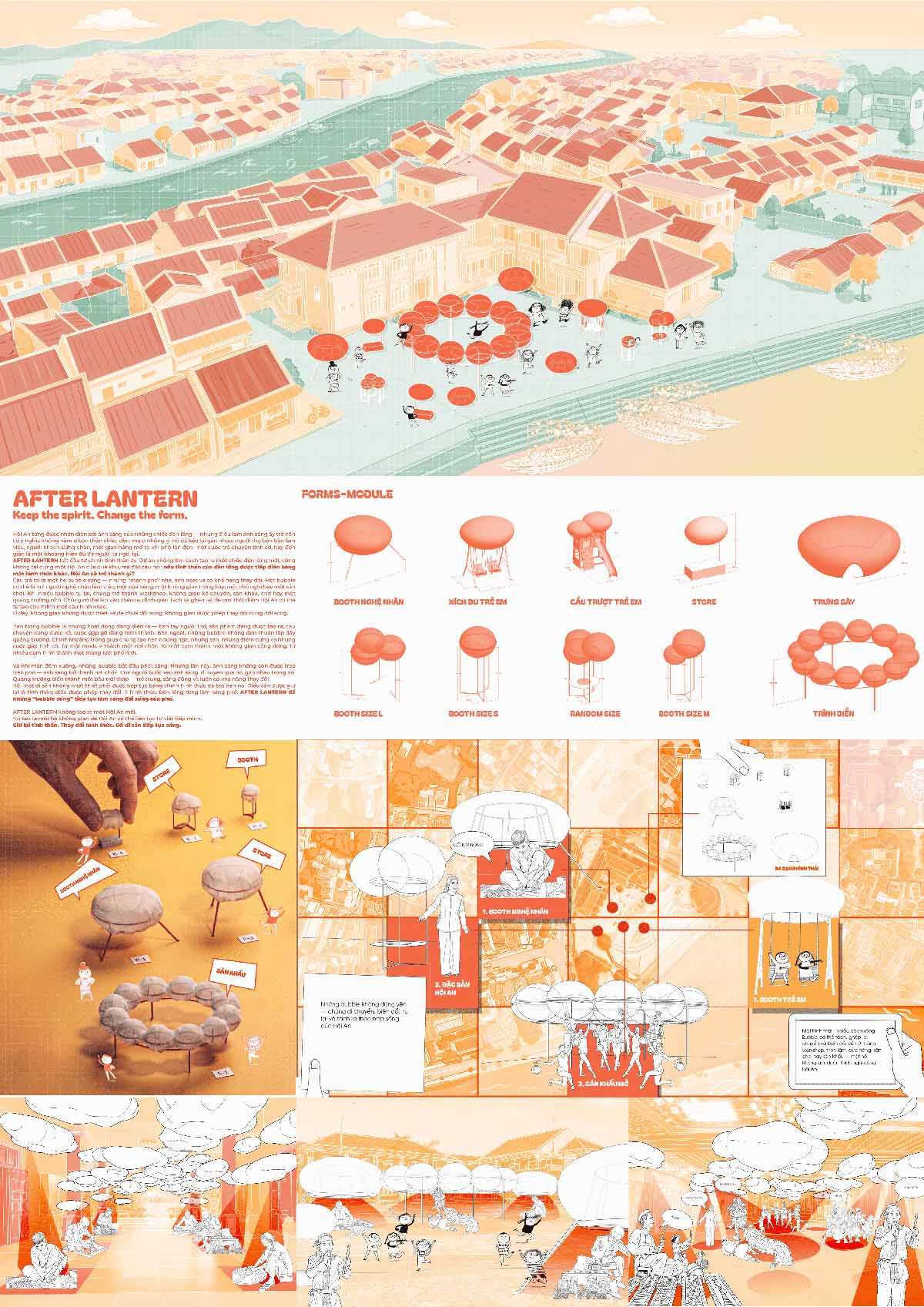
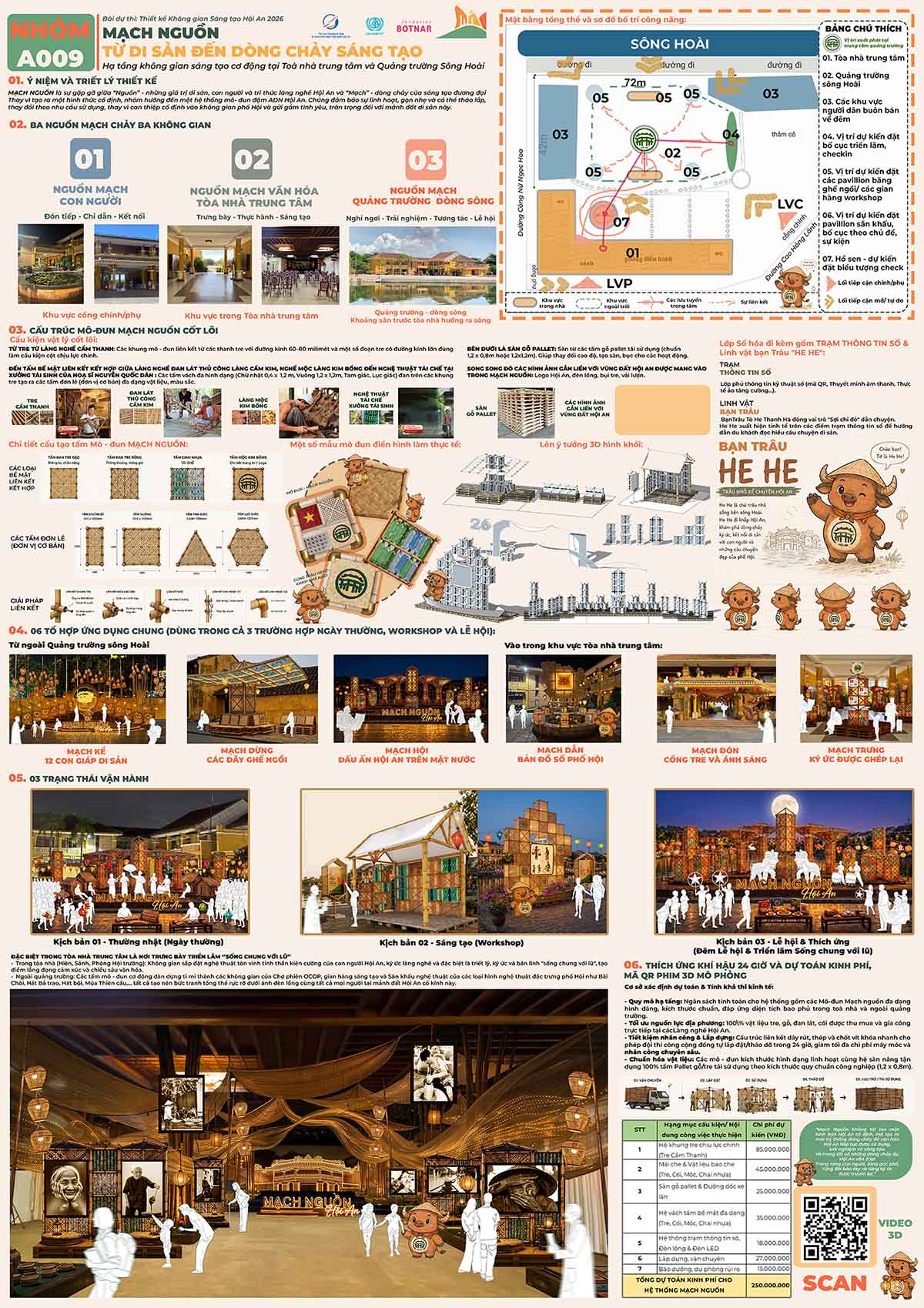
In Category A – Professional Concepts, Pavilion Spirit by Team NMTK and After Lantern by Phan Thanh Tin shared second prize, while Mach Nguon by Bui Van Quoc Trung received third prize
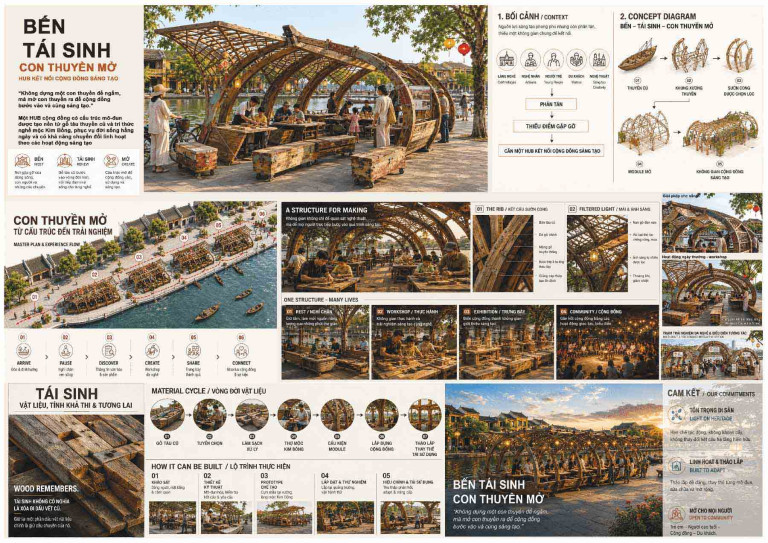
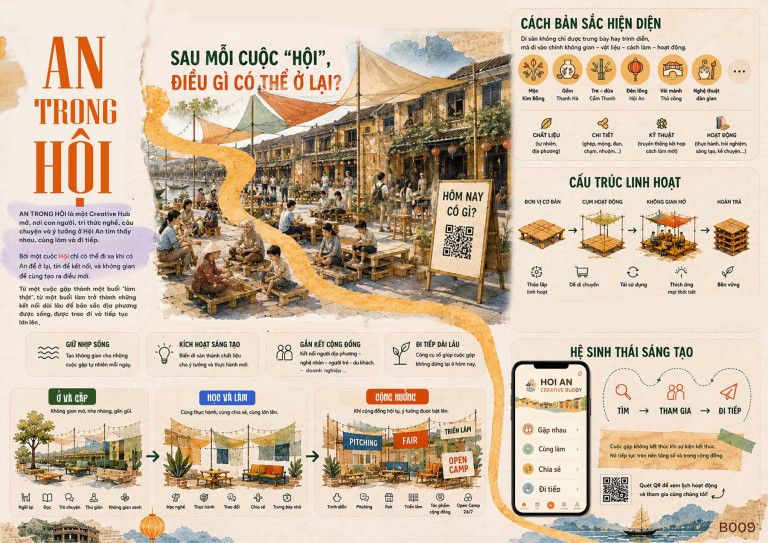
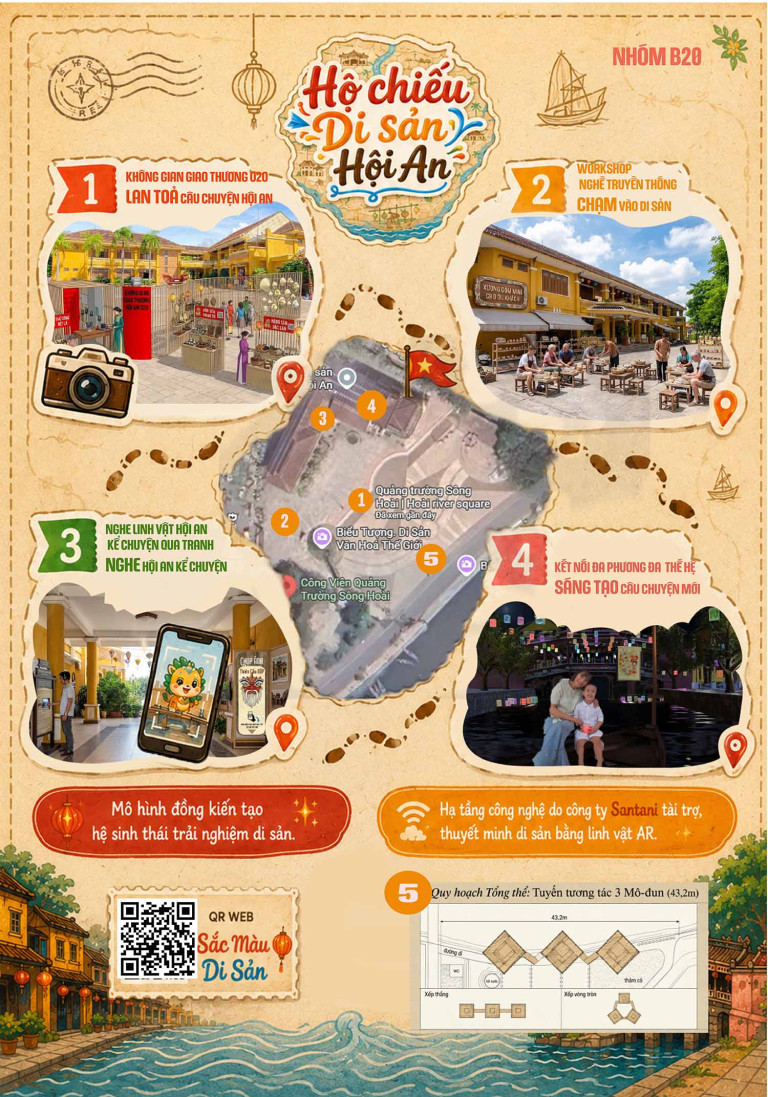
In Category B – Community Concepts, Ben Tai Sinh by Hoi An Wood won first prize, An Trong Hoi by Dinh Le Thao Uyen received second prize, and Hoi An Heritage Passport by Santani took third prize.
Despite their different approaches, the proposals offered fresh perspectives on the relationship between heritage and contemporary life. Heritage is not merely something to be preserved; it can also serve as a creative resource for imagining and designing the future.
This was also the central message of Hoi An Creative Week 2026, as summarized by Pham Phu Ngoc, Director of the Hoi An World Cultural Heritage Conservation Centre: “Creating new values from old ones; drawing inspiration from memories; generating creativity from heritage; and using creativity to ensure that heritage continues to live, grow and endure into the future”.
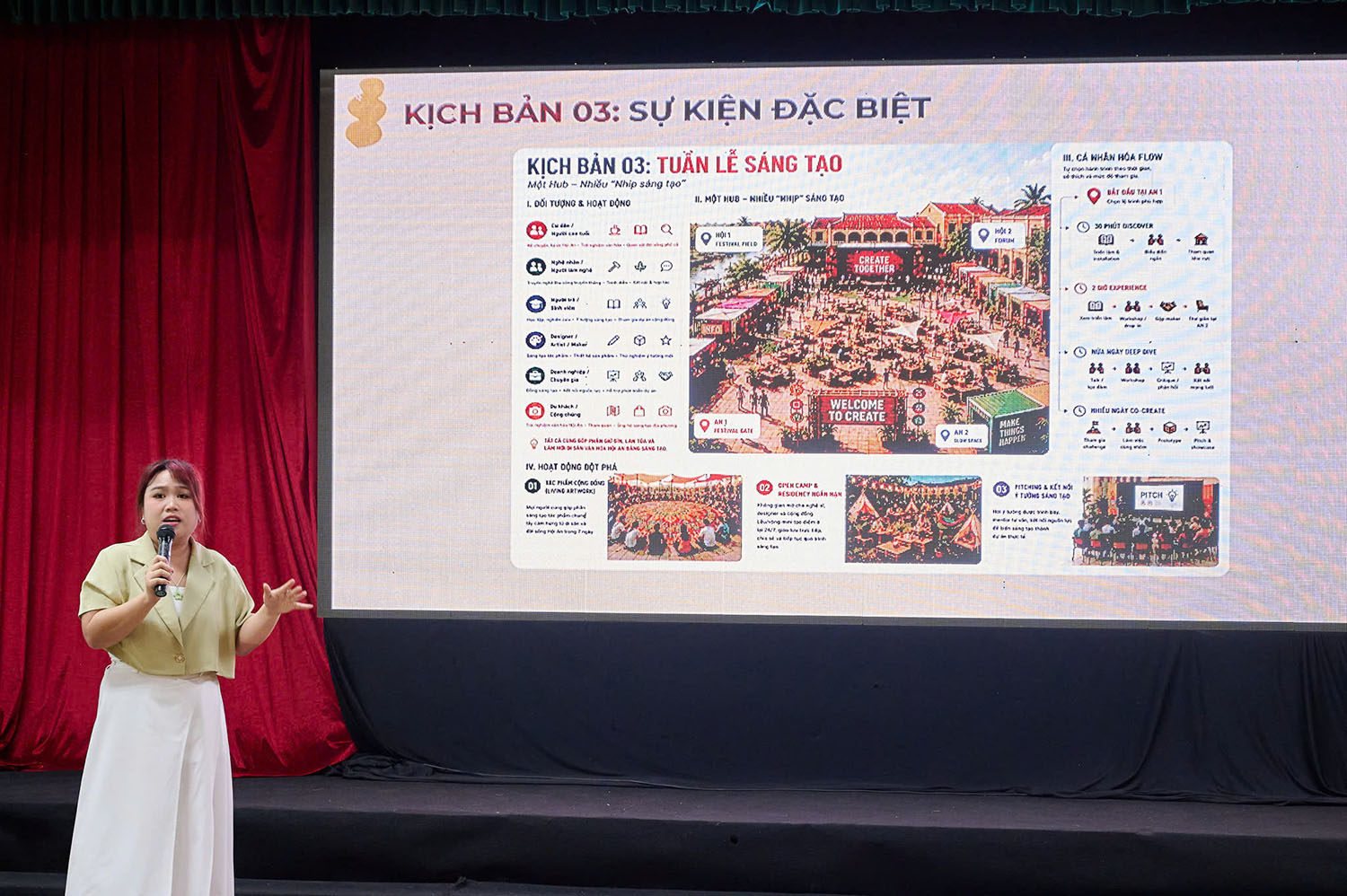
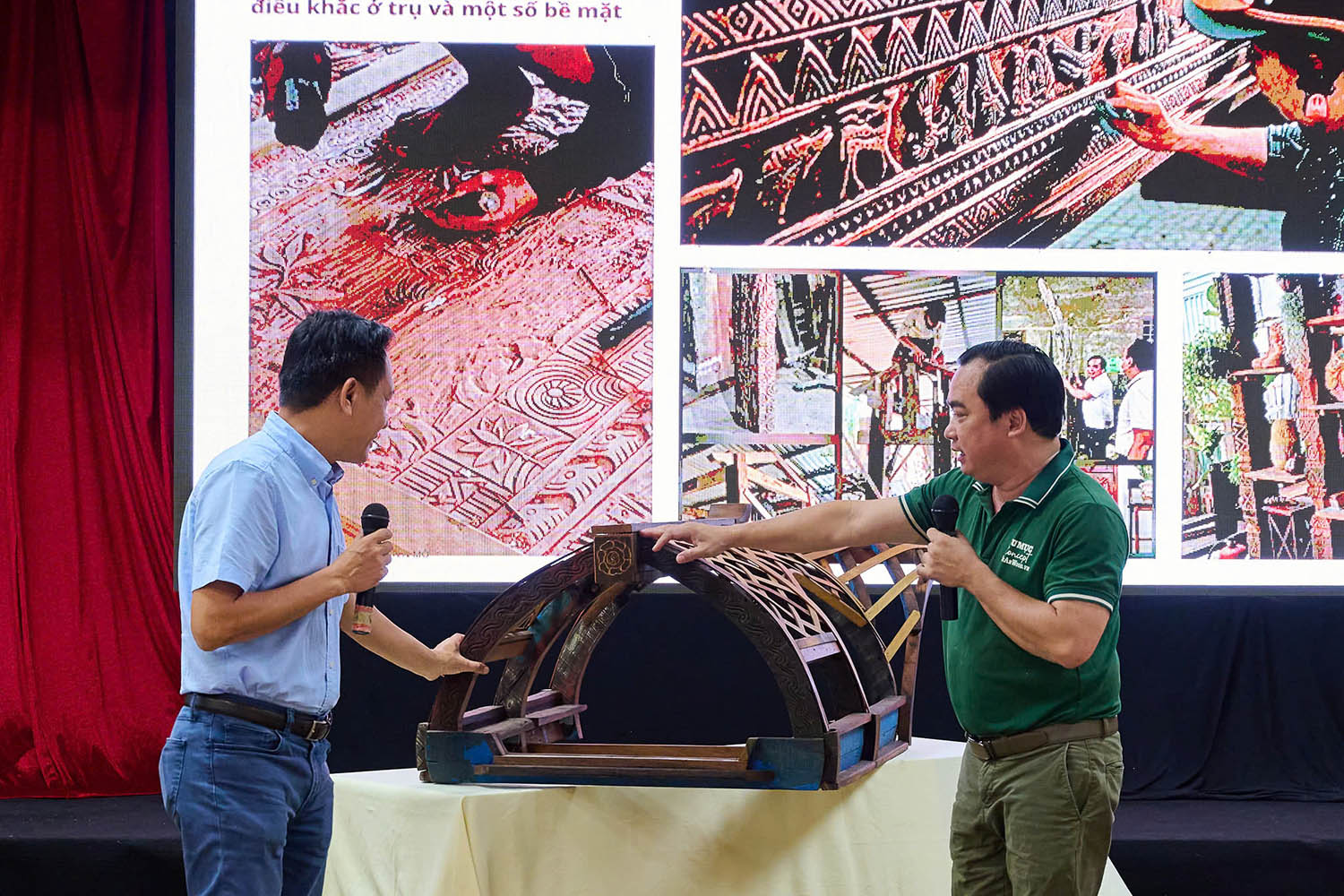
This spirit was further reflected in the discussion “Young Generations and the Creative Cultural Industries in Hoi An,” held on September 30. The discussion raised an intriguing question: even with buildings, infrastructure and government support mechanisms in place, what would motivate young people to come to a space dedicated to creativity?
Young participants identified concrete needs: a place to study and work, organize workshops, meet artisans, perform, exhibit their work, and connect with creative projects and resources. Ideas such as “Con Duong Ghe Bau” and “Suong Ke Nang Ca” also demonstrated that creativity does not necessarily begin with a building. It can start with a story, a skill, an experiential route or an encounter between generations.
This is precisely the direction Hoi An is pursuing as it seeks to answer the question of how to bring heritage into the future: not simply by preserving what already exists, but by creating the conditions for heritage to be continually reimagined, lived and passed on to generations to come.
© Vietnam Architecture Magazine