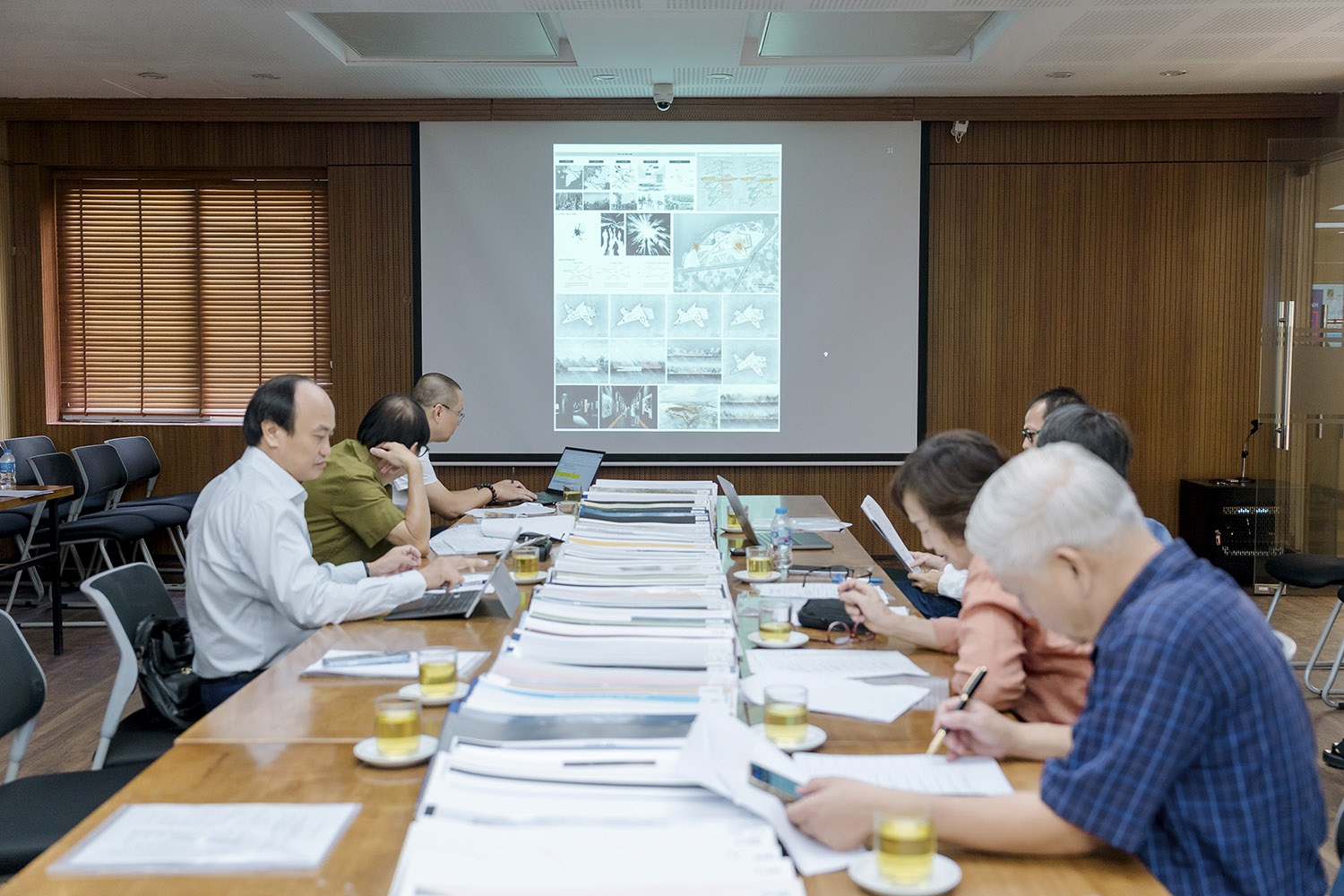
On October 8, 2026, the jury for the 2026 Loa Thanh Awards convened at the headquarters of the Vietnam Association of Architects (40 Tang Bat Ho Street, Hanoi) to evaluate outstanding graduation projects in Architecture and Planning. This year saw a substantial increase in submissions compared with previous editions. Beyond their diversity in project types and design approaches, many entries were praised for their exploration of local identity, with distinctive concepts and architectural language.

The Loa Thanh Awards is an annual competition recognizing outstanding graduation projects by students in architecture, construction and related disciplines. The awards are jointly organized by the Vietnam Federation of Civil Engineering Associations, the Vietnam Association of Architects, the Ho Chi Minh Communist Youth Union Central Committee, and the Ministry of Construction. The initiative aims to encourage students to pursue academic excellence, develop their professional interests, and explore innovative ideas, while identifying and honoring emerging talent in architecture and construction.
According to the Organizing Committee, this year’s Architecture and Planning category received 205 entries from 24 architecture universities nationwide, up significantly from 131 entries submitted by 18 universities in 2025.
The submissions covered a wide range of project types, including public buildings, housing, interior design, planning and landscape architecture. This diversity reflects the breadth of interests and approaches adopted by architecture students in addressing real-world challenges.
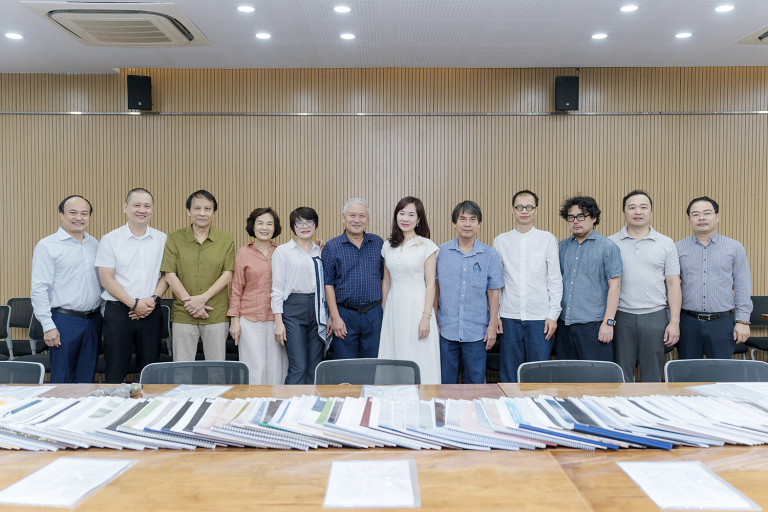
The Architecture and Planning jury comprised nine experts in architecture, urban planning, interior design and landscape architecture. Drawing on their diverse professional expertise, the jury evaluated and selected outstanding projects against a range of criteria, including design concept, social value, sustainability, practical applicability and quality of presentation.
According to the jury, a considerable number of projects in the public building, housing and interior design categories demonstrated strong results. Many featured clear and creative concepts, effective geometric compositions and spatial organization, as well as coherent architectural language. The thoughtful integration of local elements was particularly well received. This approach was seen as an important way to explore architectural identity while grounding design in local culture, spatial characteristics and context.
Alongside these strengths, the jury also identified areas for improvement. The architectural styles of many projects showed a noticeable influence from internationally renowned architects, while some entries explored similar themes. These observations point to the need for students to pursue more individual approaches and further develop their own distinctive creative identities.
Entries to the 2026 Loa Thanh Awards were assessed against the following key criteria:
- Architectural creativity: The originality and innovation of the design concept.
- Social relevance and sustainability: The project’s ability to address issues of public concern and incorporate sustainable design principles.
- Technical feasibility: The practicality of the proposed materials, technologies, construction methods and structural solutions.
- Quality of presentation: The ability to communicate design ideas clearly, coherently and convincingly.
The increase in both submissions and participating universities reflects growing interest in the Loa Thanh Awards among educational institutions and architecture students. The competition also provides an opportunity for graduation projects to receive professional evaluation and creates a platform for emerging architects to connect with established practitioners.


The award results will be announced on the Architecture Magazine website at www.tapchikientruc.com.vn. Readers are invited to visit the website for the latest updates.
© Vietnam Architecture Magazine