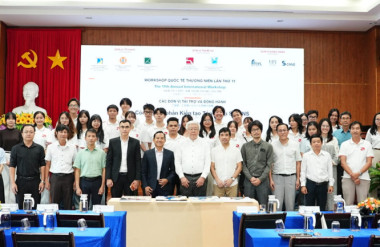
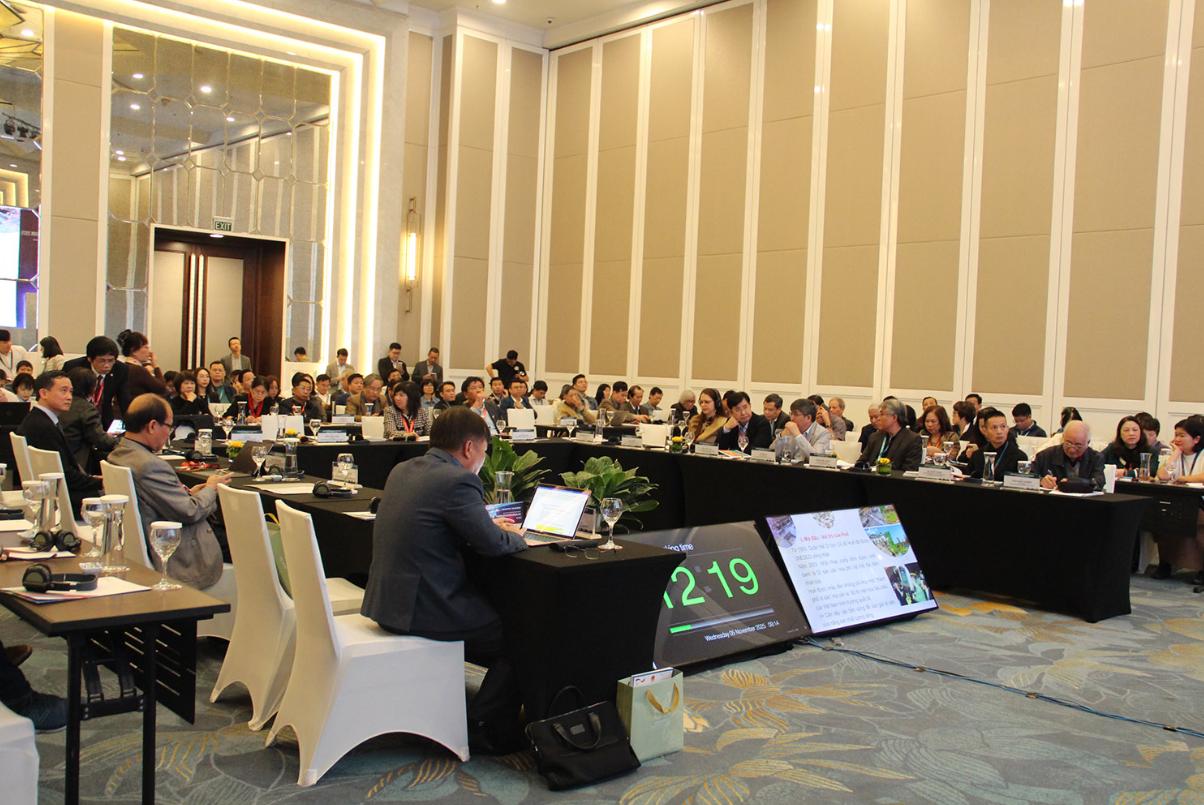
At the seminar “Modern Urban Planning and Governance to Improve Quality of Life in Vietnamese Cities”, held on the morning of November 5 as part of the Vietnam Urban Forum 2025, experts agreed that the two-tier local government model will create major shifts in how cities are organized and managed.
Planning and Governance – Two Pillars of the New Urban Development Phase
Ms. Trần Thu Hằng, Director of the Department of Planning and Architecture (Ministry of Construction), emphasized that rapid urbanization has made cities key drivers of socio-economic growth. She highlighted the need to focus on:
Comprehensive urban planning based on digital data, heritage preservation, and a human-centered approach;
Modernized governance, adopting a streamlined and efficient two-tier local government model aligned with smart-city development.
Mr. Trần Ngọc Chính, President of the Vietnam Urban Planning and Development Association, noted that Vietnam’s urbanization rate has reached 44%, contributing 75% of GDP. Yet development remains uneven, with infrastructure disparities, weak urban identity, and unresolved environmental and housing issues.
He recommended shifting from planning individual cities to planning entire urban systems, enhancing regional linkages, promoting green and circular development, and strengthening the legal framework. He also urged sharing best practices in urban renewal, revitalization, and social housing development.
Urban Development Linked With Heritage Preservation
Many participants stressed that heritage preservation must be integrated into urban development. Representatives from Huế noted that the heritage city faces intense pressure from infrastructure and housing demands. Huế aims for flexible planning that connects heritage with nature and communities, applying GIS, 3D, AI technologies, and developing a cultural-creative economy rooted in local values.
A representative from UN-Habitat recommended that Vietnam leverage global policy frameworks (SDGs, New Urban Agenda) and build an SDG monitoring platform, including voluntary local reviews, to enhance transparency and policy alignment.
Urban Reconstruction in the Two-Tier Government Model
Experts concluded that the two-tier local government model provides opportunities to restructure urban spaces and reorganize the planning system. Integrated planning, regional connectivity, and the adoption of GIS, BIM, and 3D technologies are essential for improving management effectiveness.
Mr. Hoàng Vĩnh Hưng (Ministry of Construction) argued that a streamlined administrative system helps concentrate investment resources but requires scientific planning solutions, careful control of population distribution, and sustainable development based on three pillars: economic – environmental – social.
Mr. Nguyễn Vũ Phương emphasized that Vietnam must shift from urban upgrading to comprehensive urban reconstruction – restructuring space, institutions, and communities through integrated governance and citizen participation. The two-tier government model, he noted, will provide the foundation for building resilient, distinctive, and sustainably developed cities.
© Vietnam Architecture Magazine